
TL;DR:
- Choosing the right Latin dance enhances guest engagement and maintains lively atmospheres.
- Cuban salsa encourages group participation and energizes events, especially large gatherings.
- Mixing multiple styles like Merengue, Bachata, and Salsa creates memorable, dynamic celebrations.
Picking the wrong dance style for your Wrocław event is more costly than most planners realize. Guests who feel out of their depth on the dance floor retreat to their seats, energy drops, and the whole atmosphere deflates. The right Latin dance style, though, does the opposite: it pulls people in, sparks laughter, and keeps the room alive for hours. Whether you’re planning a wedding reception, a corporate team event, or a private birthday bash, this guide walks you through the top Latin dance styles and exactly how to match each one to your crowd.
Key Takeaways
| Point | Details |
|---|---|
| Event-fit dance styles | Match Latin dance styles to your event size, goal, and audience for maximum participation. |
| Cuban salsa impact | Cuban salsa energizes large groups and brings guests together with interactive fun. |
| Accessible options | Merengue and Bachata ensure everyone, even beginners, can join in the party. |
| Mix for success | Combining multiple Latin styles keeps the event dynamic and prevents lulls. |
How to choose the perfect Latin dance style
Not every Latin dance fits every occasion. Before booking performers or workshop leaders, you need to run your event through a quick filter. Think about these core factors:
- Energy level: Do you want guests dancing freely in groups, or is a more relaxed, paired experience a better fit?
- Guest participation: Will your attendees be active dancers, or do they prefer to watch and occasionally join?
- Venue space: A rueda circle needs room. Bachata works beautifully in tighter settings.
- Event purpose: A corporate team-building session calls for structured fun. A wedding reception needs romantic flow and crowd-wide involvement.
- Audience age and experience: Seniors and young children both thrive with simpler rhythms. Mixed crowds benefit from styles that layer from basic to playful.
For weddings, interactive group formats win. For corporate events, low-barrier entry matters most. For private social gatherings, variety and spontaneity keep things exciting. Explore Latin dance event ideas to see how different formats translate into real event programs.
Pro Tip: When in doubt, start with your oldest guest. If the style works for them, it will work for everyone. Build up from there.
Always discuss these factors with your entertainment provider before committing to a single style. A five-minute conversation can save you from a room full of confused, standing guests.
Cuban salsa: Energy and connection for all ages
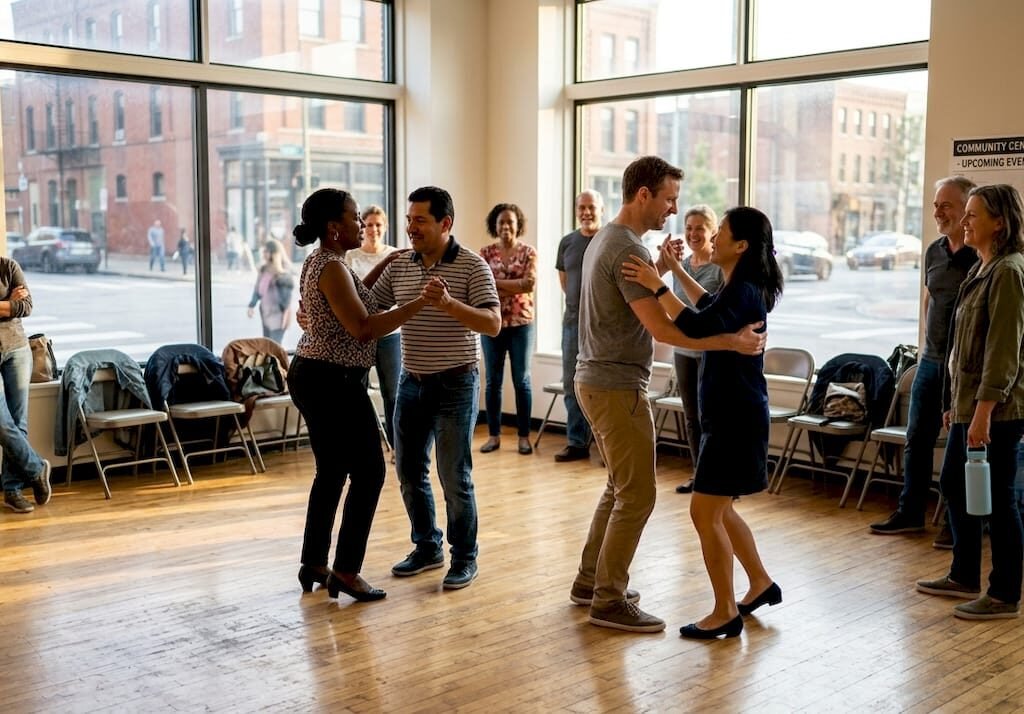
Cuban salsa is the crowd favorite for a reason. Its upbeat, rhythmic music instantly raises the energy in any room, and its circular group format, known as rueda de casino, means no one has to commit to one partner or worry about looking awkward. Dancers cycle through partners as a group, following fun, shouted commands. It looks impressive. It feels effortless. And it genuinely invites everyone in.
The energy and connection benefits of Cuban salsa are well-documented in event settings across Poland. Cuban salsa advantages shine particularly at large events where breaking the ice is the first challenge. Interactive elements that make Cuban salsa work at your event include:
- Rueda de casino circles: Guests rotate partners, eliminating social awkwardness quickly
- Call-and-response commands: A workshop leader guides the crowd, so nobody needs experience
- Layered difficulty: Begin with simple weight shifts, then add turns as guests grow confident
- Group energy spikes: Music tempo builds naturally, pulling even reluctant guests off their chairs
As Cuban salsa dance strategies show, the style’s participatory format is one of the most effective tools for guest engagement at Polish events. It’s not just a dance; it’s a social engine.
“Cuban salsa increases guest interaction and fun, making it a top pick for many events.”
Pro Tip: Adapt the rueda circle size to your venue. In a smaller hall, run two mini-circles instead of one large group. This keeps the energy tight and everyone within earshot of the instructor.
For weddings, Cuban salsa works beautifully after dinner when guests need a reason to leave their seats. For corporate events, the rotating-partner format is a natural team-building mechanism. People talk, laugh, and connect without any forced agenda.
Bachata: Sensual and accessible for intimate settings
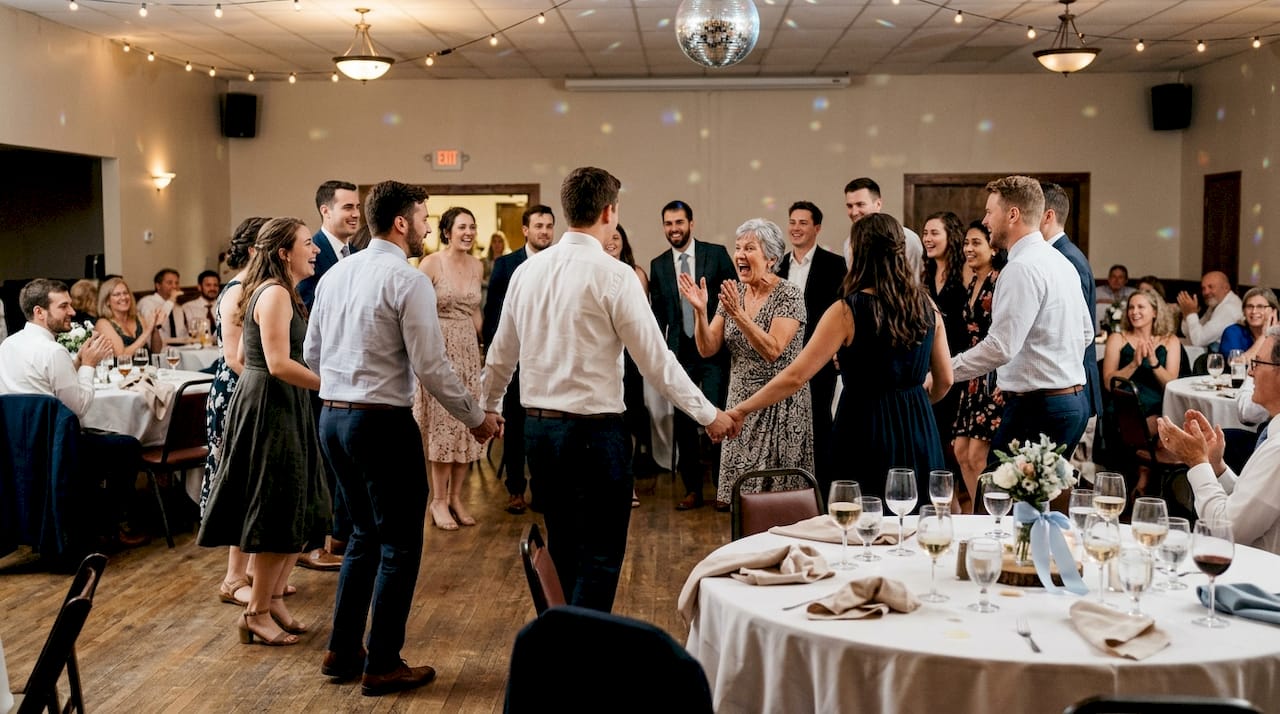
Cuban salsa is lively, but what if your event demands more intimacy? Bachata delivers a completely different texture. Built on smooth, close-partner connection and a gentle, rolling rhythm, it creates warmth rather than spectacle. Think of it as the difference between a party dance and a slow, meaningful conversation on the dance floor.
Bachata suits romantic events like wedding receptions and anniversary dinners, as well as elegant private gatherings where the vibe is cozy rather than high-energy. Its practical features make it one of the most approachable Latin styles:
- Simple three-step pattern: Even first-timers pick it up in minutes
- Relaxed tempo: Guests don’t feel rushed or overwhelmed
- Compact footprint: Works perfectly in smaller venues with limited floor space
- Emotional resonance: The music creates an atmosphere that guests feel, not just hear
“Bachata’s simple basic steps invite even newcomers to join the dance floor, fostering an inclusive atmosphere.”
This accessibility is its biggest strength. Nobody feels left out because the barrier to entry is so low.
Pro Tip: Use Bachata as a warm-up before higher-energy dances. It settles guests into movement without intimidating them. Once their bodies are warm and their nerves are calm, they’ll be far more willing to try salsa or Merengue.
For event planners, Bachata also pairs well with a dance show transformation moment, where professional dancers perform first to inspire the crowd before inviting guests to join. Watching experts makes the steps look beautiful and achievable at the same time.
Merengue and more: Easy-to-learn crowd pleasers
For energetic fun that’s straightforward for every guest, easy-to-learn styles like Merengue and Cha-Cha shine. Merengue is arguably the most democratic dance on the planet. Its beat is repetitive, its steps are minimal, and within two minutes, virtually any guest can participate with confidence.
Cha-Cha adds a slightly playful, syncopated twist that keeps things fresh. Reggaeton-influenced movement brings in a modern, urban energy that younger guests especially enjoy. Mixing these three styles across a single event creates natural activity blocks that sustain momentum throughout the night.
Here’s a simple numbered sequence for introducing these styles at your event:
- Open with Merengue: Get everyone moving. No experience required. The two-step beat is impossible to resist.
- Add Cha-Cha in the middle: Build on the rhythm skills guests just developed. The added syncopation feels like a fun challenge, not a barrier.
- Bring in Reggaeton-influenced movement: Let guests express themselves more freely. This loosens the room for the bigger dances ahead.
- Return to Merengue for the finale: End where you started but with a room full of confident, joyful dancers.
As simple Latin styles like Merengue and Cha-Cha demonstrate, you don’t need prior experience to fill the dance floor. Check out salsa entertainment ideas for Wrocław-specific programming that layers these styles effectively.
Pro Tip: Merge simple dances into seamless activity blocks by keeping the music transitions smooth. A skilled DJ or live musician can shift between styles without guests realizing the style changed, maintaining floor energy the whole time. For inspiration on dance participation events, other organizers are finding that low-barrier formats consistently outperform structured performances in guest satisfaction scores.
Comparing Latin dance styles for event impact
With major styles covered, it’s time to compare how each option stacks up for event planners. This table gives you a quick, practical reference for matching dance styles to your specific event needs.
| Dance style | Energy level | Participation | Best event type | Space needed | Workshop potential |
|---|---|---|---|---|---|
| Cuban salsa | High | Group, rotating | Weddings, corporate, festivals | Medium to large | Excellent |
| Bachata | Medium | Paired, close | Weddings, private parties | Small to medium | Good |
| Merengue | Medium-high | Individual or paired | All events, corporate | Small to large | Excellent |
| Cha-Cha | Medium-high | Individual or paired | Social gatherings, parties | Small to medium | Good |
Use this as your decision matrix. If space is limited, lean toward Bachata or Cha-Cha. If you need maximum guest involvement fast, Cuban salsa or Merengue are your go-to choices. Boost fun with professional dancers to elevate any of these styles beyond what a workshop alone can deliver.
Here are a few quick tips for maximizing interaction regardless of style:
- Assign a confident workshop leader who can read the room and adjust tempo or complexity on the fly
- Keep the introduction segment under ten minutes so guests get moving before hesitation sets in
- Mix seated and standing guests by inviting tables to the floor one at a time, reducing the fear of being first
- Use call-and-response formats whenever possible to keep participants focused and laughing
Why mixing styles makes every event unforgettable
Here’s the insight most event guides skip: a single-style event almost always fizzles before the night ends. Why? Because guests adapt. Once they’ve mastered the basic steps, novelty disappears, and with it goes motivation to stay on the floor. We’ve seen this pattern repeatedly at events across Wrocław.
The real magic happens when you build a program rather than a performance. Start with something accessible, like Merengue. Warm the crowd. Then shift into Bachata for intimacy and connection. Finally, close with Cuban salsa’s high-energy group format as the grand finale. The emotional arc keeps guests curious about what’s coming next.
One approach we love: let guests vote mid-event for their favorite style, then feature it as the closing number. This creates ownership. People cheer for a style they chose, and that enthusiasm is electric. It’s the kind of moment that transforms an event into a shared memory. As Cuban salsa magic shows, the format works especially well when professionals anchor each style segment with a short demo before opening the floor.
Mixing styles isn’t just a programming trick. It’s how you honor a diverse guest list, serve different energy needs throughout the evening, and ensure that every single person finds their moment on the dance floor.
Bring Latin dance excitement to your next Wrocław event
Ready to transform your event with unforgettable Latin dance energy? Here’s where to start.
At Castillo Salsa, we design dance-driven experiences specifically for Wrocław events: weddings, corporate gatherings, private parties, and everything in between. Every event is different, so our programs are built around your guest profile, venue size, and energy goals. Use our boost event engagement resources to start planning your format. Browse our Latin dance event ideas for ready-to-use inspiration. And when you’re ready to see what’s possible, explore the Cuban salsa magic we bring to celebrations across the city. Your guests deserve more than background music. Give them a dance floor story they’ll be talking about for years.
Frequently asked questions
Which Latin dance style is best for large weddings?
Cuban salsa is the best choice for large weddings because its rotating group format naturally draws in large crowds. Its maximum interactive potential makes it ideal for groups of all sizes and experience levels.
Are Latin dance workshops suitable for corporate events?
Yes, Latin dance workshops are excellent for corporate events because they break the ice and encourage genuine connection between colleagues. Dance workshops enhance connection and energy for participants of all experience levels, making even shy team members feel included.
What is the easiest Latin dance for beginners at a mixed-ages event?
Merengue is the easiest Latin dance for beginners because its two-step pattern is simple enough for any age group. Merengue guarantees simple upbeat participation without requiring any prior dance experience.
Can multiple Latin dances be featured in one event?
Absolutely. Featuring different styles throughout your event keeps guests engaged and caters to varied tastes and energy levels. Mixing dance styles creates a dynamic, memorable celebration that feels fresh from start to finish.
How much space is needed for these Latin dance styles?
Cuban salsa and Merengue adapt easily to both large halls and intimate venues, while Bachata requires the least floor space of all the featured styles. Bachata works well in small venues, while salsa and Merengue scale up or down depending on your guest count.
