TL;DR:
- Salsa wyzwala neurochemikalia, które promują radość, więzi i zaufanie, czyniąc wydarzenia niezapomnianymi.
- Grupowy taniec salsy tworzy głęboką więź poprzez rotację partnerów i wspólny sukces.
- Włączenie autentyczności kulturowej i muzyki na żywo zwiększa wpływ emocjonalny i zaangażowanie uczestników.
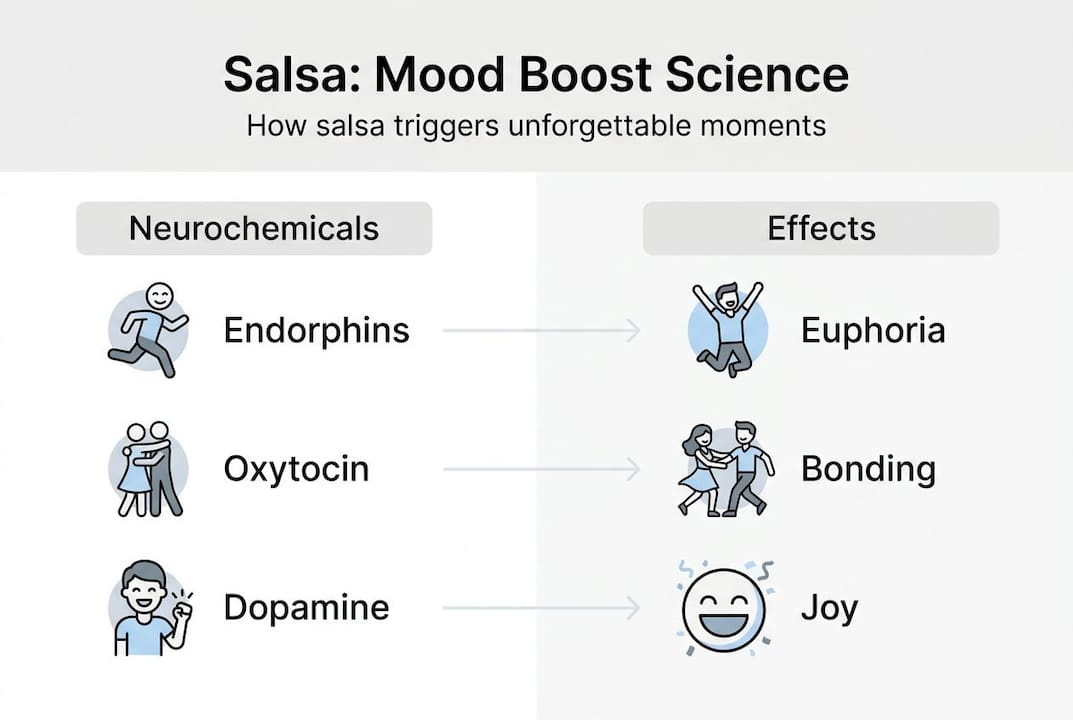
Taniec salsy robi coś, czego większość formatów rozrywki po prostu nie potrafi: wyzwala kaskadę neurochemikaliów, które sprawiają, że ludzie czują się naprawdę żywi. W momencie, gdy wchodzisz w rytm z partnerem, twój mózg uwalnia endorfiny, dopaminę i oksytocynę, te same substancje chemiczne związane z radością, więzią i zaufaniem. Taniec wzmacnia chemię mózgu w sposób, którego pasywna rozrywka nigdy nie osiągnie. Niezależnie od tego, czy planujesz firmową imprezę integracyjną, urodziny czy prywatną imprezę we Wrocławiu, salsa to nie tylko zabawny dodatek. To naukowo ugruntowane narzędzie do tworzenia wspomnień, o których goście opowiadają latami.
Kluczowe wnioski
| Punkt | Szczegóły |
|---|---|
| Radość wspierana przez neuronaukę | Salsa wyzwala substancje chemiczne w mózgu, które natychmiast poprawiają nastrój i tworzą kluczowe wspomnienia. |
| Zanurzenie w kulturze wzmacnia wpływ | Wprowadzanie autentycznych kubańskich i nowojorskich stylów do wydarzeń pogłębia więzi emocjonalne i społeczne. |
| Mechanika szybkiego łączenia | Systemy rotacji i mikro-timing partnerów pomagają gościom szybko nawiązywać kontakty, zarówno nieśmiałym, jak i towarzyskim. |
| Taniec grupowy tworzy trwałe wspomnienia | Energiczne, integracyjne tańce sprzyjają wspólnym zwycięstwom i niezapomnianym chwilom, zwłaszcza podczas spotkań firmowych lub towarzyskich. |
| Praktyczne strategie eventowe | Połącz muzykę na żywo, warsztaty i formaty rotacyjne, aby zmaksymalizować zapamiętywalność wrocławskich uroczystości. |
Nauka stojąca za niezapomnianymi momentami salsy
Większość ludzi zakłada, że taniec to tylko aktywność fizyczna. Rzeczywistość jest o wiele bardziej interesująca. Kiedy poruszasz się do muzyki z innymi ludźmi, twój mózg wchodzi w stan zwany Synchronizacja międzymózgowia, gdzie aktywność neuronowa tancerzy zaczyna się wyrównywać. Ten wspólny rytm tworzy poczucie jedności, które sięga znacznie głębiej niż rozmowa.
Badania potwierdzają to z całą mocą. Metaanaliza tańca i nastroju wykazała, że zaledwie 2,5 godziny tańca tygodniowo zmniejsza depresję o 26%, głównie z powodu synchronizacji międzymózgowia w ustawieniach grupowych. To nie jest marginalna poprawa. To wymierna zmiana w samopoczuciu ludzi, napędzana ruchem i muzyką.
Korzyści związane z lękiem są równie uderzające. A randomizowane badanie kontrolowane dotyczące tańca latynoskiego zmierzyli statystycznie istotną redukcję lęku (F(3,80)=15,42, p<0,001) po zaledwie krótkiej serii sesji. Dla organizatorów imprez oznacza to, że goście nie tylko dobrze się bawią. Oni naprawdę się relaksują i otwierają.
| Neurochemiczne | Wpływ na gości | Wyzwalane przez |
|---|---|---|
| Endorfiny | Euforia, ulga w bólu | Rytmiczny ruch |
| Dopamina | Motywacja, przyjemność | Synchronizacja muzyki |
| Oksytocyna | Zaufanie, więź | Połączenie partnerskie |
Salsa tworzy również coś, co psychologowie nazywają stany przepływu, Momenty całkowitego pochłonięcia, w których czas wydaje się zatrzymywać. Te szczytowe doświadczenia są dokładnie tym, co sprawia, że wydarzenie staje się legendarne, a nie zapomniane. The salsa - korzyści z budowania zespołu że grupy we Wrocławiu konsekwentnie powracają do poczucia wspólnego zwycięstwa, nauczenia się czegoś razem i poczucia przełomu.
Salsa jest również obiecująca jako forma Uzdrawianie somatyczne dla uwolnienia emocjonalnego, Oznacza to, że nawet goście, którzy przybywają spięci lub ostrożni, szybko łagodnieją na parkiecie.
“Parkiet taneczny staje się laboratorium więzi międzyludzkich. Kiedy ludzie poruszają się razem, przestają występować i zaczynają doświadczać”. - Społeczność badawcza zajmująca się neuronauką tańca
Pro Tip: Zorganizuj wydarzenie salsowe wokół uczestnictwa w grupie, a nie występów solowych. Korzyści neurochemiczne są znacznie wyższe, gdy wszyscy poruszają się razem, nawet niedoskonale.
Dla każdego, kto chce stworzyć niezapomniane doświadczenia z salsą we Wrocławiu, nauka daje ci jasny mandat: spraw, aby ludzie się poruszali, razem, tak wcześnie, jak to możliwe.
Zanurzenie w kulturze: Od Hawany po Wrocław
Salsa nie jest jedną rzeczą. To żywa tradycja ukształtowana przez dziesięciolecia muzycznej fuzji, migracji i twórczej reinterpretacji. Zrozumienie tego bogactwa jest tym, co odróżnia zwykły wieczór taneczny od prawdziwie wciągającego wydarzenia kulturalnego.
Kubańska salsa, zakorzeniona w Son Cubano XX wieku, niesie ze sobą okrągłą, ugruntowaną energię, która sprawia wrażenie ziemskiej i wspólnotowej. Z kolei salsa nowojorska jest linearna, ostra i teatralna. Oba style oferują różne palety emocjonalne. Historia muzyki salsowej śledzi tę ewolucję od Son Cubano z 1920 roku po współczesną Timbę, dając programistom wydarzeń bogate menu nastrojów do wykorzystania.
Kiedy imprezy we Wrocławiu łączą te tradycje, dzieje się coś wyjątkowego. Goście nie tylko tańczą. Oni podróżują. The kulturowa fuzja salsy kubańskiej i nowojorskiej na wydarzeniach takich jak te organizowane w Papi Chulo pokazuje, jak mieszanie stylów wywołuje emocjonalną ekspresję, obecność, a nawet rodzaj radosnego uwolnienia, które rzadko osiąga czysto nowoczesna rozrywka.
Oto porównanie różnych formatów wydarzeń:
| Format | Głębia kulturowa | Udział gości | Najlepsze dla |
|---|---|---|---|
| Tylko warsztaty | Średni | Wysoki | Firma, początkujący |
| Tylko wydajność | Wysoki | Niski | Gale, przyjęcia |
| Warsztat + występ | Bardzo wysoki | Bardzo wysoki | Wesela, przyjęcia |
| Tematyczna noc salsy | Wysoki | Wysoki | Urodziny, wydarzenia towarzyskie |
Muzyka na żywo wzmacnia wszystko. Kiedy goście słyszą conga lub trąbkę na żywo, a nie playlistę, ich emocjonalne zaangażowanie wzrasta. The Kubańska kultura salsy Castillo Salsa na wrocławskich imprezach opiera się na zasadzie: autentyczność tworzy obecność, a obecność tworzy pamięć.
- Perkusja na żywo podnosi energię szybciej niż nagrana muzyka
- Autentyczny kubański styl sygnalizuje gościom powagę kulturową.
- Mieszane style angażują zarówno początkujących, jak i doświadczonych tancerzy.
- Tematyczny wystrój i epoki muzyczne pogłębiają efekt immersji
Dla planistów wydarzeń odkrywających pomysły na rozrywkę z salsą, Wniosek jest prosty: im bardziej specyficzne kulturowo i żywe są twoje elementy, tym bardziej emocjonalnie rezonuje twoje wydarzenie. Emocjonalne i somatyczne właściwości salsy są wzmacniane, gdy kontekst kulturowy jest prawdziwy, a nie ogólny.
Pro Tip: Mieszaj style kubański i nowojorski w ramach tego samego wydarzenia, a jeśli pozwala na to budżet, dodaj nawet jednego perkusistę na żywo. Kontrast stylów zapewnia gościom bogatszą podróż emocjonalną i utrzymuje wysoki poziom energii przez całą noc.
Połączenie, współpraca i szybkie nawiązywanie więzi
Jedną z najbardziej niedocenianych cech salsy jest jej wbudowana architektura społeczna. W przeciwieństwie do większości aktywności grupowych, salsa ma mechanikę strukturalną, która wymusza pozytywne interakcje, nawet wśród nieznajomych.
The system rotacji jest kluczem. W kubańskiej salsie rueda (format koła) tancerze zmieniają partnerów co kilka taktów. Nikt nie utknie z tą samą osobą. Nikt nie siedzi na uboczu. Każdy jest włączony, a nieśmiały gość, który wszedł, bojąc się wieczoru, nagle śmieje się z kimś nowym co dwie minuty.
- Rozpoczyna się rotacja: Goście zmieniają partnerów co 8 uderzeń serca, co zmniejsza presję społeczną.
- Rozpoczyna się mikrotiming: Partnerzy dostosowują się do swojego rytmu, tworząc natychmiastową komunikację niewerbalną.
- Pojawia się stan przepływu: Wielokrotne udane wymiany budują pewność siebie i radość
- Formularze pamięci grupowej: Wspólny śmiech i małe zwycięstwa stają się wspólnym doświadczeniem
- Trwałe połączenie: Goście wychodzą z prawdziwymi więzami, a nie tylko wizytówkami
The Cykl 8 uderzeń i mikrotiming partnera w salsie tworzą to, co naukowcy nazywają porywanie, gdzie ciała dwojga ludzi synchronizują się bez świadomego wysiłku. To dlatego salsa tak szybko staje się przyjemna, nawet dla początkujących.
“Systemy rotacyjne Salsy nie tylko uczą ludzi tańczyć. Uczą ludzi ufać nieznajomym w mniej niż trzy minuty”.”
Dla Pomysły na imprezy z tańcami latynoskimi we Wrocławiu, oznacza to, że możesz wziąć pokój pełen kolegów, którzy ledwo rozmawiają przy ekspresie do kawy i połączyć ich w ciągu 20 minut. The salsa party workflow która działa najlepiej, zaczyna się od krótkiego rueda intro, następnie otwiera podłogę, a następnie sprowadza wszystkich z powrotem do finału grupowego.
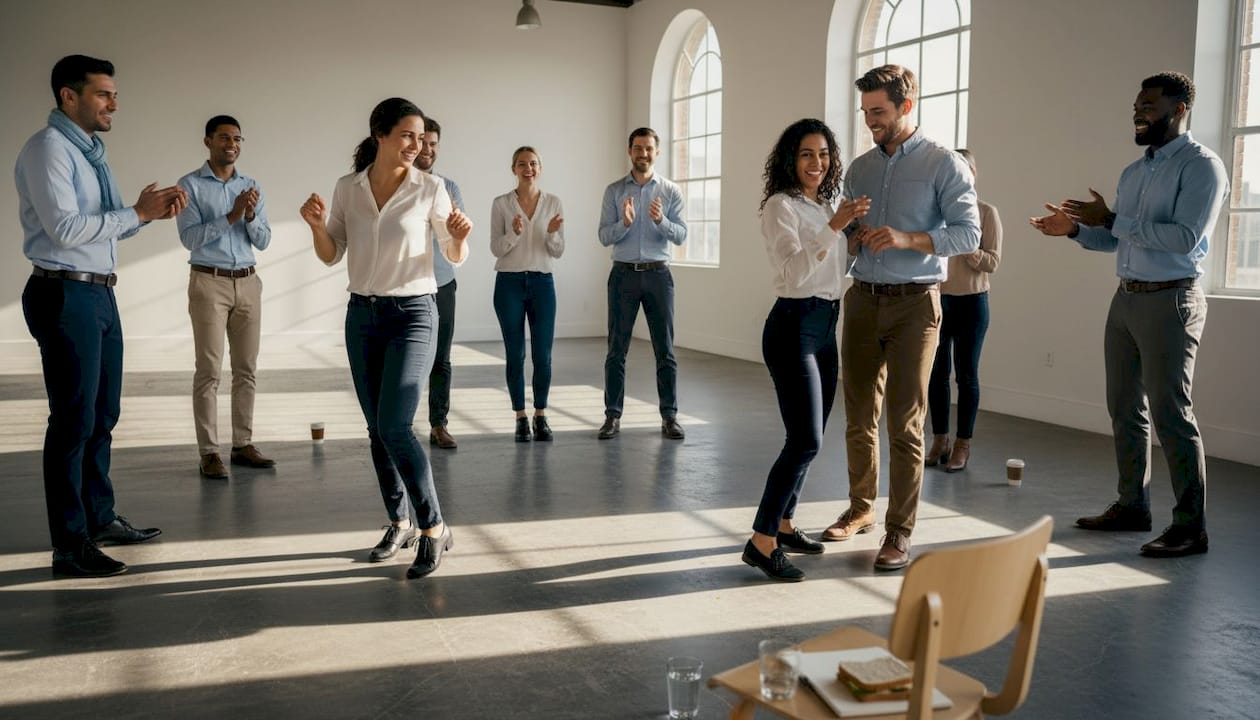
Imprezy salsowe w miejscach takich jak PeDeT, La Rumba i Papi Chulo we Wrocławiu promują nawiązywanie kontaktów bez wcześniejszych umiejętności, dzięki czemu są idealne dla grup korporacyjnych o różnym stopniu zaawansowania. The salsowe lodołamacze które działają najlepiej, są zawsze oparte na rotacji, a nie na wydajności.
Pro Tip: Używaj systemów rotacyjnych przez pierwsze 15 minut każdego wydarzenia. Ten pojedynczy wybór strukturalny ma większy wpływ na budowanie więzi w grupie niż jakakolwiek gra przełamująca lody lub ćwiczenie zespołowe.
Maksymalizacja niezapomnianych chwil w praktyce
Znajomość nauki to jedno. Dobre jej zastosowanie to drugie. Oto, co zalecają badania i rzeczywiste doświadczenia z wydarzeń we Wrocławiu.
Najbardziej efektywne imprezy salsowe łączą w sobie przyjazne dla początkujących warsztaty, krótki profesjonalny występ i otwarty parkiet do tańca towarzyskiego. Ta trzyczęściowa struktura daje gościom chwilę nauki, inspiracji i wolności. Każda faza opiera się na poprzedniej.
| Faza zdarzenia | Czas trwania | Cel | Poziom wpływu |
|---|---|---|---|
| Warsztaty dla początkujących | 30-45 min | Budowanie umiejętności, przełamywanie lodów | Wysoki |
| Profesjonalna wydajność | 15-20 min | Inspiracja, głębia kulturowa | Bardzo wysoki |
| Parkiet do tańca towarzyskiego | 60-90 min | Swobodne połączenie, stany przepływu | Bardzo wysoki |
Badania empiryczne potwierdzają że taniec latynoski szybko zmniejsza lęk społeczny i poprawia samopoczucie oraz poczucie własnej skuteczności. Jednak badania wskazują również, że efekty mogą zanikać bez kontynuacji. Dla planistów wydarzeń oznacza to, że jednorazowa noc salsy jest potężna, ale powtarzająca się seria jest transformująca.
- Zacznij od ruchów rotacyjnych dla początkujących, a nie od skomplikowanych choreografii.
- Używaj muzyki latynoskiej na żywo lub wysokiej jakości od pierwszej minuty.
- Uwzględnij moment kontekstu kulturowego, krótką historię, wyjaśnienie stylu
- Mieszanka kubańskich i nowojorskich elementów podtrzymuje energię i ciekawość
- Zaplanuj grupowy moment finałowy, w którym wszyscy razem wezmą udział.
Jedną z częstych pułapek jest założenie, że mężczyźni będą mniej zaangażowani. W praktyce, gdy warsztaty są przedstawiane jako wyzwanie umiejętności, a nie zajęcia taneczne, wskaźnik uczestnictwa mężczyzn znacznie wzrasta. Ramy mają takie samo znaczenie jak treść.
Kolejny przypadek warty odnotowania: nieśmiałe grupy szybko nawiązują więzi podczas salsy, ale bez ciągłego zaangażowania, połączenie może wydawać się sytuacyjne. Połączenie wydarzenia salsowego z kolejną aktywnością społeczną znacznie pogłębia efekt.
Dla planistów badających, jak Przekształcaj wydarzenia za pomocą salsy, Praktyczną kwestią jest zawsze sekwencjonowanie. Jeśli kolejność jest właściwa, energia buduje się naturalnie. Zła kolejność nie uratuje nawet świetnej muzyki. Zrozumienie Dlaczego warto zatrudniać tancerzy salsy jako facylitatorzy, a nie tylko wykonawcy, sprawia, że sekwencjonowanie jest znacznie łatwiejsze do wykonania.
Pro Tip: Zawsze zaczynaj od przyjaznego dla początkujących ćwiczenia rotacyjnego przed każdym występem. Goście, którzy już wypróbowali ruchy, patrzą na profesjonalistów zupełnie innymi oczami, a ich zaangażowanie podwaja się.
Świeże spojrzenie: Czego brakuje większości organizatorów wydarzeń w salsie
Oto, czego nauczyliśmy się prowadząc imprezy salsowe we Wrocławiu: większość planistów rezerwuje rozrywkę. Najlepsi planiści projektują doświadczenia. To istotna różnica.
Pasywna rozrywka, DJ, zespół, a nawet pokaz tańca, tworzy widzów. Salsa, jeśli ma odpowiednią strukturę, tworzy uczestników. A uczestnicy tworzą wspomnienia. Widzowie tworzą opinie.
Najbardziej niedocenianym elementem jest celowa rotacja partnerów. Planiści często ją pomijają, ponieważ wydaje im się skomplikowana do zorganizowania. Ale rotacja jest właśnie tym, co zapobiega powszechnemu niepowodzeniu wydarzenia, w którym goście gromadzą się z ludźmi, których już znają i wychodzą, nie poznawszy nikogo nowego.
Wspólne momenty zwycięstwa również mają ogromne znaczenie. Kiedy grupa początkujących z powodzeniem kończy sekwencję ruedy, sala wybucha. Ten zbiorowy triumf nie jest przypadkowy. Jest zaprojektowany. Tematyczne wieczory taneczne które budują w kierunku grupowego finału, konsekwentnie przewyższają te, które po prostu grają muzykę i mają nadzieję na najlepsze.
Innym brakującym składnikiem jest autentyczność kulturowa. Ogólne wieczory latynoskie wydają się cienkie. Wydarzenia zakorzenione w prawdziwej kubańskiej tradycji, z autentyczną muzyką, autentyczną stylizacją i kompetentnymi moderatorami, mają sens. Goście natychmiast wyczuwają różnicę, nawet jeśli nie potrafią jej nazwać.
Ciężko wywalczona lekcja: nie polegaj na biernej rozrywce. Aktywne uczestnictwo, rotacja z przewodnikiem, elementy kulturowe na żywo i zaplanowane wspólne zwycięstwo to cztery filary prawdziwie legendarnego wydarzenia salsowego.
Salsa sprawi, że następne wydarzenie będzie niezapomniane
Jeśli ten artykuł pokazał ci cokolwiek, to to, że salsa jest czymś więcej niż tylko stylem tańca. To ustrukturyzowany system tworzenia radości, więzi i trwałych wspomnień. Castillo Salsa zapewnia dokładnie takie podejście do imprez we Wrocławiu, od kameralnych uroczystości urodzinowych po duże imprezy firmowe.
Możesz odkryć magię kubańskiej salsy dzięki szczegółowym przewodnikom po kulturze i historii kryjącej się za każdym ruchem. Zapoznaj się ze sprawdzoną organizacją imprez salsowych, która eliminuje konieczność zgadywania podczas planowania. Możesz też przejrzeć niezapomniane pomysły na wydarzenia dostosowane do każdej okazji i wielkości grupy. Castillo Salsa zajmuje się wiedzą kulturową, ułatwieniami i energią, dzięki czemu możesz skupić się na swoich gościach. Skontaktuj się z nami, aby rozpocząć planowanie doświadczenia, które ludzie naprawdę zapamiętają.
Często zadawane pytania
Czy salsa sprawdza się w przypadku nieśmiałych lub introwertycznych gości?
Tak, układy obrotowe salsy i tańce grupowe pomagają nieśmiałym gościom szybko i wygodnie nawiązać kontakt. Imprezy salsowe we Wrocławiu są specjalnie zaprojektowane, aby promować nawiązywanie kontaktów bez konieczności posiadania wcześniejszych umiejętności lub pewności siebie.
Ile tańca potrzeba, aby zobaczyć korzyści?
Już 2,5 godziny tańca tygodniowo może zmniejszyć depresję o 26% i zauważalnie poprawić nastrój i więzi społeczne, nawet u początkujących.
Czy salsa jest bardziej efektywna w grupie czy solo?
Salsa wywiera największy wpływ w grupach. Taniec grupowy poprawia nastrój, kształtuje pamięć i tworzy więzi znacznie wykraczające poza to, co można osiągnąć w pojedynkę, zwłaszcza gdy w grę wchodzi rotacja partnerów i muzyka na żywo.
Czy imprezy salsowe mogą pasować do budowania zespołu w firmie?
Absolutnie. Imprezy salsowe we Wrocławiu są zorganizowane dla początkujących i sprzyjają pracy zespołowej i nawiązywaniu kontaktów nawet wśród grup bez wcześniejszego doświadczenia tanecznego, co czyni je idealnymi dla kontekstów korporacyjnych.
