
TL;DR:
- Salsa-Tanzerlebnisse fördern echte soziale Beziehungen und Vertrauen zwischen den Teammitgliedern.
- Sie erhöhen das Engagement und die aktive Teilnahme an Veranstaltungen im Vergleich zu passiven Aktivitäten erheblich.
- Unterschiedliche Formate eignen sich für verschiedene Ziele, vom schnellen Eisbrecher bis hin zum intensiven Teambuilding und Feiern.
Eine Teambuilding-Aktivität auszuwählen, die Ihre Mitarbeiter tatsächlich anregt, anstatt ein kollektives Augenrollen hervorzurufen, ist schwieriger als es klingt. Die meisten Firmenveranstaltungen in Polen laufen nach demselben Schema ab: Escape Rooms, Trivia Nights, Paintball. Kubanische Salsa- und Latin-Dance-Erlebnisse durchbrechen dieses Muster völlig. Sie kombinieren körperliche Bewegung, Musik, kulturellen Reichtum und echte soziale Interaktion auf eine Art und Weise, die die Menschen innerhalb weniger Minuten zum Lachen bringt und sie miteinander verbindet. In diesem Leitfaden werden 7 dynamische Formate, ihre Vorteile, ein direkter Vergleich und spezifische Empfehlungen für die Situation Ihres Teams vorgestellt.
Wichtigste Erkenntnisse
| Punkt | Einzelheiten |
|---|---|
| Flexible Formate | Tanzerlebnisse für Unternehmen gibt es in Formaten, die sich an die Größe, die Energie und den Veranstaltungsstil Ihrer Gruppe anpassen lassen. |
| Stärkt den Zusammenhalt im Team | Kubanischer Salsa und lateinamerikanischer Tanz können lebendige, unvergessliche Verbindungen zwischen Kollegen schaffen. |
| Leicht anpassbar | Tanz-Workshops und -Veranstaltungen können auf die jeweiligen Unternehmenskulturen und -ziele zugeschnitten werden. |
| Erleichtert das Engagement | Partizipative Tanzformate ermutigen auch introvertierte Teammitglieder zur Interaktion und zum Zusammenhalt. |
Wie man Tanzerlebnisse für Firmenveranstaltungen bewertet
Bevor Sie etwas buchen, müssen Sie sich ein klares Bild davon machen, wie der Erfolg für Ihr Team aussieht. Eine Party zur Produkteinführung hat ganz andere Energieziele als ein Bankett zur Preisverleihung am Jahresende. Wenn Sie mit Ihren Zielen beginnen, können Sie das Feld schnell eingrenzen und Ihr Budget vor Formaten schützen, die einfach nicht funktionieren.
Hier sind die wichtigsten Faktoren, die vor der Wahl eines Formats zu berücksichtigen sind:
- Ziele der Mannschaft: Versuchen Sie, Silos zwischen Abteilungen aufzubrechen, neue Mitarbeiter willkommen zu heißen, Leistungsträger zu belohnen oder einfach Energie in einen langen Konferenztag zu bringen? Jedes Ziel spricht für ein anderes Format.
- Energie und Komfort der Gruppe: Ein 20-köpfiges technisches Team, das aus der Ferne arbeitet, braucht vielleicht einen sanfteren Einstieg als ein 50-köpfiges Verkaufsteam, das bereits hart zusammenarbeitet.
- Größe der Gruppe: Manche Formate sind schon mit 10 bis 20 Teilnehmern erfolgreich, andere wiederum können bis zu 100 oder mehr Personen aufnehmen. Wenn Sie die Anzahl der Teilnehmer im Voraus kennen, können Sie die Wahl des Veranstaltungsortes und das Verhältnis der Dozenten beeinflussen.
- Physische Zugänglichkeit: Lateinamerikanischer Tanz ist weitaus inklusiver als die meisten Menschen annehmen, aber es lohnt sich, darauf zu achten, dass das von Ihnen gewählte Format auch für Teilnehmer mit eingeschränkter Mobilität oder ohne vorherige Tanzerfahrung geeignet ist.
- Zeitaufwand: Ein 30-minütiger Salsa-Eisbrecher passt gut in eine Konferenzagenda. Ein zweistündiger intensiver Workshop erfordert einen eigenen Veranstaltungsblock.
- Interaktive Formate vs. Zuschauerformate: Einige Teams wollen eine professionelle Show sehen, andere müssen auf das Parkett gezogen werden. Beides ist legitim, und beides dient unterschiedlichen Zielen.
Als Tanzworkshops für Firmenveranstaltungen Dieses Format lässt sich in hohem Maße an die Unternehmenskultur und die Energie der Gruppe anpassen, was es zu einer der flexibelsten Optionen auf dem Markt macht.
Pro-Tipp: Wenn Sie in erster Linie abteilungsübergreifende Kontakte anstreben, sollten Sie immer ein Format wählen, bei dem Menschen aus verschiedenen Teams physisch zusammenkommen, anstatt sie mit ihren üblichen Kollegen zusammen zu lassen.
Mit diesen Kriterien im Hinterkopf können wir uns mit den verschiedenen Arten von Erfahrungen befassen.
7 Arten von Tanzerlebnissen für Unternehmen
Kubanischer Salsa und lateinamerikanischer Tanz bieten weit mehr Abwechslung, als den meisten Veranstaltungsplanern bewusst ist. Die folgenden sieben Formate sind die beliebteste Wahl für Unternehmensgruppen, jedes dient einem anderen Zweck und schafft eine andere Atmosphäre.
Kurze interaktive Workshops (30 bis 45 Minuten): Sie sind ideale Eisbrecher oder Energielieferanten für die Mitte einer Veranstaltung. Ein Kursleiter lehrt drei bis vier Grundbewegungen in schneller Folge, wobei das Tempo hoch und die Stimmung locker bleibt. Es sind keine Vorkenntnisse erforderlich, und die kurze Dauer sorgt dafür, dass auch zurückhaltende Teilnehmer sicher mitmachen können. Kubanischer Salsa als Eisbrecher ist in diesem Format bemerkenswert effektiv, weil die spielerische Struktur die sozialen Abwehrkräfte schnell senkt.
Intensive Lektionen zur Teamentwicklung (90 bis 120 Minuten): Diese gehen tiefer und vermitteln den Teilnehmern konkrete Salsa-Sequenzen, die sie am Ende aneinanderreihen können. Der Lernbogen - Kampf, Durchbruch, Feier - spiegelt die reale Teamdynamik in einem komprimierten Zeitrahmen wider. Die Teams beschreiben dieses Format oft als überraschend emotional und verbindend.
Salsa-Tanzvorführungen: Ein professionelles Paar oder eine professionelle Truppe führt eine ausgewählte Show für Ihre Gäste auf. Dies eignet sich besonders gut als Mittelpunkt des Empfangs, als Unterhaltungsprogramm beim Abendessen oder als Belohnungserlebnis. Sie sorgt für eine festliche Stimmung, ohne dass das Publikum mitmachen muss, obwohl die meisten Aufführungen einen kurzen interaktiven Teil beinhalten, um die Gäste auf die Tanzfläche zu locken.
Thematische kubanische Salsa-Partys: Denken Sie an das Eintauchen in alle Sinne: Kubanische Dekoration, Live-Percussion, authentische Cocktails und eine Playlist, die im Laufe des Abends an Energie gewinnt. Diese Partys eignen sich für Jahresendfeiern, Team-Belohnungs-Veranstaltungen oder externe Rückzugsorte. Das gesellige Format fördert natürlich den Austausch zwischen den Teams und den verschiedenen Führungsebenen, was bei vielen formellen Firmenveranstaltungen nur schwer zu erreichen ist.
Vorführungen von lateinamerikanischen Tänzen: Mehrere Stile, darunter Salsa, Bachata und Cha-Cha-Cha, werden auf einer einzigen Veranstaltung präsentiert. Showcases bieten den Gästen mehr Abwechslung und ermöglichen es verschiedenen Persönlichkeitstypen, sich mit mindestens einem Stil zu verbinden. Sie eignen sich auch gut für größere Gruppen bei Einladungsveranstaltungen oder Abenden zur Wertschätzung von Kunden.
Rotierende Partnermischer: Strukturierte Runden, in denen die Teilnehmer alle paar Minuten den Partner wechseln, während sie einen neuen Zug lernen. Dieses Format ist ein Meisterkurs in schneller Kontaktaufnahme. Innerhalb einer einzigen Sitzung interagiert jeder Teilnehmer physisch und sozial mit 10 oder mehr Kollegen. Die Salsa-Leitfaden für Unternehmen zur Teambildung bezeichnet rotierende Mixer als eines der wirkungsvollsten Formate, um Hierarchien am Arbeitsplatz aufzubrechen, denn auf der Tanzfläche verschwindet der Status einfach.
Choreografierte Teamvorstellungen: Kleine Gruppen von 5 bis 8 Personen lernen eine kurze choreografierte Routine und führen sie vor ihren Kollegen auf. Der Probenprozess stärkt die interne Teambindung, und die Aufführung schafft eine gemeinsame Erinnerung, auf die sich die Teams noch lange nach der Veranstaltung beziehen.
“Kubanischer Salsa bietet einzigartige Vorteile in Bezug auf Energie und soziale Beziehungen, die bei normalen Teamaktivitäten einfach nicht erreicht werden können. Die Kombination aus Rhythmus, körperlicher Koordination und Partnerarbeit schafft vertrauensbildende Momente, die organisch und nicht durch erzwungene Übungen entstehen.” - Vorteile von Salsa für die Teambildung
Jedes Format hat eine andere Energiesignatur. Der Schlüssel liegt darin, diese Energie auf den Zweck Ihrer Veranstaltung abzustimmen, und nicht nur die am eindrucksvollsten klingende Option zu wählen.
Vergleichstabelle: Welche Erfahrung passt am besten zu Ihrem Team?
Um Ihnen die Wahl zu erleichtern, sollten Sie die Optionen Seite an Seite vergleichen. Diese Tabelle fasst die wichtigsten Funktionen für Veranstaltungsplaner zusammen, die eine schnelle Entscheidung treffen müssen.
| Art der Erfahrung | Ideale Gruppengröße | Ebene der Interaktion | Energieniveau | Dauer | Vorbereitung erforderlich |
|---|---|---|---|---|---|
| Kurzer interaktiver Workshop | 10 bis 60 | Hoch | Mittel bis hoch | 30 bis 45 Minuten | Minimal |
| Immersive Lektion zur Teambildung | 10 bis 40 | Sehr hoch | Hoch | 90 bis 120 Minuten | Niedrig |
| Salsa-Aufführung | 20 bis 200+ | Gering bis mittel | Mittel | 30 bis 60 Minuten | Keine |
| Kubanische Salsa-Party zum Thema | 20 bis 150 | Mittel bis hoch | Sehr hoch | 3 bis 5 Stunden | Mittel |
| Lateintanz-Showcase | 30 bis 200+ | Gering bis mittel | Mittel | 45 bis 90 Minuten | Keine |
| Rotierender Partnermischer | 10 bis 50 | Sehr hoch | Hoch | 60 bis 90 Minuten | Niedrig |
| Choreographiertes Team-Showcase | 5 bis 40 | Extrem hoch | Sehr hoch | 2 bis 3 Stunden | Mittel bis hoch |
Die wichtigsten Erkenntnisse aus der Tabelle:
Der kurze interaktive Workshop und der rotierende Partnermixer bieten die höchste Interaktion pro Minute Veranstaltungszeit, was sie zur ersten Wahl macht, wenn Sie einen begrenzten Zeitplan haben, aber einen echten Teameffekt erzielen wollen. Die thematische kubanische Salsa-Party ist das eindringlichste und integrativste Format für unterschiedliche Gruppengrößen. Das choreografierte Team-Showcase erfordert den größten Einsatz, erzeugt aber auch die stärkste emotionale Erinnerung.
Teams, die Steigerung des Engagements bei Veranstaltungen mit Salsa berichten immer wieder, dass die Einbeziehung von Tanz in ein Unternehmensprogramm zu messbar höheren Teilnahmequoten im Vergleich zu passiven Aktivitäten führt. Tatsächlich ist das Engagement von Teams bei Tanzerlebnissen mit einer deutlich höheren Beteiligung an Unternehmensveranstaltungen verbunden. Einige Veranstalter berichten von einer bis zu 80% höheren aktiven Beteiligung, wenn Tanz in das Programm eingebunden ist.
Diese Zahl sollte man im Auge behalten. Ein Anstieg der aktiven Beteiligung um 80% ist nicht unerheblich. Sie verändert die gesamte Atmosphäre einer Veranstaltung und gibt Ihnen etwas Greifbares, über das Sie der Leitung im Nachhinein berichten können.
Situationsbezogene Empfehlungen: Welche Tanzerfahrung sollten Sie wählen?
Aber welches Format eignet sich wirklich für Ihr Team? Lassen Sie uns Beispiele auf Ihre Veranstaltung abstimmen, damit Sie eine sichere Entscheidung treffen können.
Szenario 1: Sie brauchen einen schnellen Eisbrecher vor einer Konferenz oder einem Workshop. An Ihrer Veranstaltung nehmen 60 Personen aus verschiedenen Abteilungen teil, die sich untereinander nicht gut kennen. Sie haben 40 Minuten Zeit, bevor die Hauptagenda beginnt. Wählen Sie einen kurzen interaktiven Workshop. Ein erfahrener Dozent kann alle innerhalb von fünf Minuten in Bewegung bringen und zum Lachen bringen, und die gemeinsame Erfahrung löst sofort die unangenehme Formalität auf, die normalerweise über der Eröffnung von funktionsübergreifenden Veranstaltungen liegt.
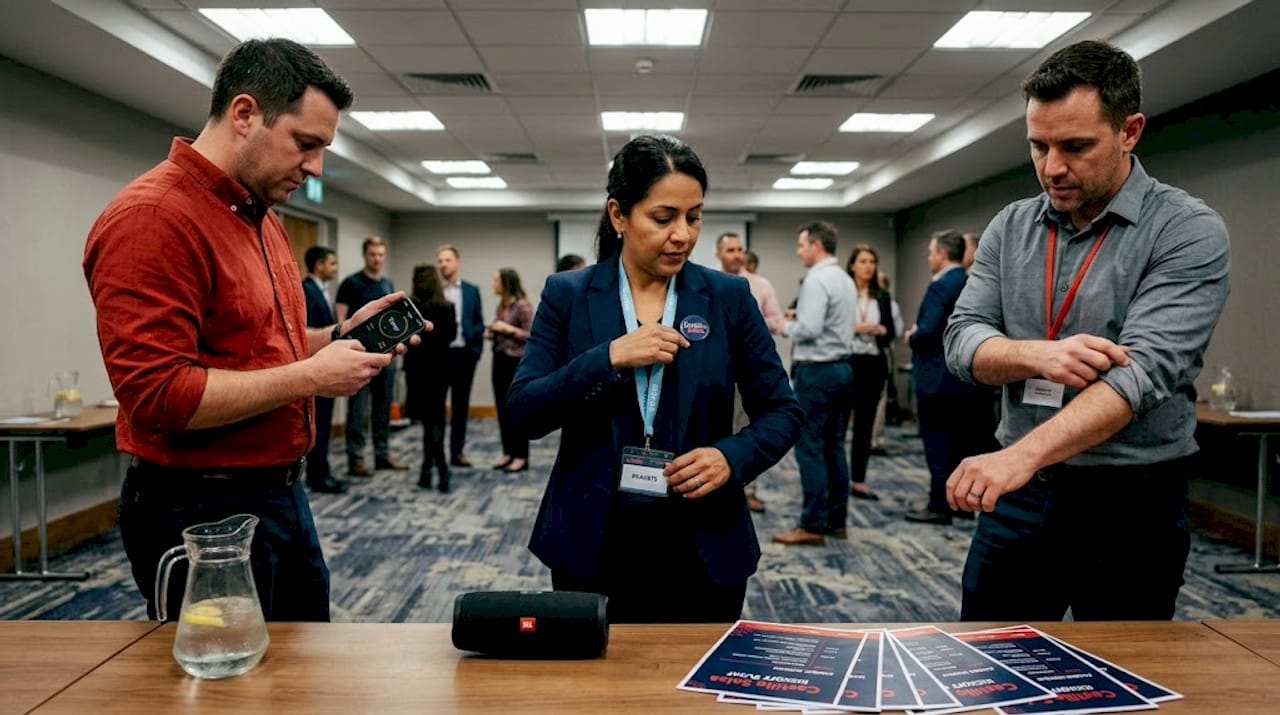
Szenario 2: Sie planen einen jährlichen Unternehmensgipfel. Sie wollen etwas Unverwechselbares, das die Werte Ihres Unternehmens - Energie, Kreativität und Verbundenheit - widerspiegelt. Eine thematische kubanische Salsa-Party als Abendunterhaltung schafft einen starken kulturellen Moment, über den die Mitarbeiter noch monatelang sprechen werden. Ein 30-minütiger Workshop zu Beginn des Tages gibt den Mitarbeitern das nötige Selbstvertrauen, um die Party später auch wirklich zu genießen.
Szenario 3: Sie führen ein neues Produkt oder eine neue Markenidentität ein. Der Ton der Veranstaltung muss kühn, feierlich und unvergesslich sein. Eine lateinamerikanische Tanzshow oder eine professionelle Salsa-Performance setzt genau diesen Ton während eines Galadinners oder Empfangs. Es positioniert die Markeneinführung als ein Ereignis mit echtem Produktionswert.
Szenario 4: Sie veranstalten eine Teambelohnungsaktion. Eine kleinere Gruppe von 15 bis 25 Leistungsträgern verdient etwas Persönliches und Eindrucksvolles. Eine intensive Teambuilding-Stunde oder ein choreografierter Showcase machen diese Belohnung zu einem echten gemeinsamen Erlebnis und nicht zu einem weiteren Abendessen in einem schönen Restaurant.
Im Folgenden werden die häufigsten Ziele mit den besten Formaten verknüpft:
- Aufbrechen von Abteilungssilos: Rotierende Partner-Mischung, immersiver Unterricht
- Umfangreiches Engagement: Themenparty, Latin Dance Showcase
- Konferenz-Eisbrecher: Kurzer interaktiver Workshop
- Executive- oder VIP-Veranstaltungen: Salsa-Aufführung mit interaktivem Teil
- Veranstaltung zur Belohnung oder Anerkennung: Mitreißender Unterricht, choreografierte Vorführung
- Produkteinführung oder Markenveranstaltung: Lateintanz-Showcase, Themenparty
Anpassung des Tanzerlebnisses an die Ziele der Gruppe maximiert die Ergebnisse in einer Weise, wie es allgemeine Aktivitäten nicht können. Wenn das Format mit dem Ziel übereinstimmt, spüren die Teilnehmer das. Die Energie verlagert sich von “das wurde uns gesagt” zu “das war wirklich für uns”.”
Profi-Tipp: Kleine Gruppen von 10 bis 20 Personen sprechen am besten auf rotierende Partner-Mixer an, da die Intimität des Formats die persönliche Verbindung verstärkt. Bei großen Versammlungen mit 60 oder mehr Personen bietet ein lateinamerikanisches Tanzshowcase oder eine Themenparty allen etwas, ohne dass eine einheitliche Teilnahme erforderlich ist.
Was die meisten Planer übersehen: Der wahre Wert gemeinsamer Tanzerlebnisse
Wenn wir einen Schritt zurücktreten, können wir aus jahrelanger Erfahrung im Veranstaltungsdesign Folgendes lernen. Die meisten Teambuilding-Gespräche in Unternehmen konzentrieren sich auf die Ergebnisse: verbesserte Kommunikation, stärkere Zusammenarbeit, bessere Moralwerte. Diese Ergebnisse sind real. Aber der Mechanismus, der sie hervorbringt, wird fast nie ehrlich diskutiert.
Standard-Eisbrecher, Trivia-Spiele oder Escape-Room-Herausforderungen können Spaß machen, aber sie führen selten zu echt menschliche Verbindung. Sie bewirken Zusammenarbeit bei der Erfüllung einer Aufgabe. Das ist nützlich, aber es ist nicht dasselbe wie Vertrauen, Wärme oder das Gefühl, dass Ihre Kollegen tatsächlich wissen Sie.
Gemeinsame körperliche Bewegung ist etwas grundlegend anderes. Wenn man mit jemandem tanzt, und sei es nur schlecht, und sei es nur für zehn Minuten, hat man etwas Nonverbales und Authentisches mitgeteilt. Ihr seid gemeinsam verletzlich gewesen. Ihr habt gemeinsam über euch selbst gelacht. Diese Erfahrung lebt in einem anderen Teil des Gedächtnisses als das Lösen eines Puzzles oder das Beantworten einer Quizfrage.
Die kubanische Salsa eignet sich besonders gut für kulturübergreifende, moderne Teams, weil sie Spontaneität und Struktur miteinander verbindet. Es gibt Regeln, bestimmte Schritte, einen Rahmen und einen Rhythmus. Aber innerhalb dieser Struktur gibt es ständige Improvisation, Reaktionsfähigkeit und echte Präsenz. Es spiegelt genau das wider, was leistungsstarke Teams brauchen: genug Struktur, um sich zu koordinieren, und genug Freiheit, um sie selbst zu sein.
Wir haben erlebt, wie zurückhaltende Finanzmanager während einer Diskussionsrunde zu den enthusiastischsten Menschen im Raum wurden. Wir haben erlebt, wie Teams, die sich bisher nur über Videoanrufe kennengelernt hatten, plötzlich das Gefühl hatten, dass sie tatsächlich wissen einander nach 90 Minuten kubanischer Salsa. Die teambildende Wirkung der Salsa beruht nicht auf dem, was die Teilnehmer lernen, sondern auf dem, was sie dabei empfinden.
Die meisten Planer unterschätzen die Bedeutung der Freude für die Teambildung. Freude ist nicht leichtsinnig. Sie ist der schnellste bekannte Weg, um die sozialen Abwehrkräfte zu senken, und gesenkte soziale Abwehrkräfte sind die Voraussetzung für jede sinnvolle Teaminteraktion, die folgt. Wenn Sie die Wahl haben zwischen einem Workshop zur “beruflichen Entwicklung”, der zwar technisch nützlich, aber emotional flach ist, und einem kubanischen Salsa-Erlebnis, das Freude bereitet und körperlich anregend ist, werden Sie vielleicht überrascht sein, welches von beiden drei Monate später bessere Teamergebnisse hervorbringt.
Bringen Sie mit kubanischem Salsa Energie und Einigkeit in Ihre nächste Veranstaltung
Bei Castillo.Salsa haben wir jedes Angebot speziell für ein polnisches Unternehmenspublikum entwickelt, das etwas wirklich Unvergessliches will und nicht nur ein Kästchen auf der Eventplanungsliste abhaken möchte. Unsere Event-Strategien richten sich nach den spezifischen Zielen Ihres Teams, egal ob es sich um einen schnellen Eisbrecher, ein abendfüllendes Erlebnis oder ein Programm mit mehreren Formaten handelt. Sie können die gesamte Palette der Arten von Salsa-Tänzen für Veranstaltungen um den Stil zu finden, der am besten zu Ihrer Unternehmenskultur passt. Von intimen Workshops für Führungskräfte bis hin zu großen lateinamerikanischen Partys für Ihr gesamtes Unternehmen - wir kümmern uns um die Planung, den Unterricht und die Energie. Erfahren Sie mehr unter Castillo.Salsa und beginnen Sie mit dem Aufbau einer Veranstaltung, auf die sich Ihr Team wirklich freuen wird.
Häufig gestellte Fragen
Was ist die ideale Gruppengröße für einen Salsa-Teambuilding-Workshop?
Die meisten Workshops eignen sich gut für Gruppen von 10 bis 60 Personen, da Workshops, die auf kleine Teams zugeschnitten sind, sicherstellen, dass jeder Teilnehmer aktiv und engagiert bleibt und nicht nur zuschaut. Größere Gruppen können für maximale Interaktion in rotierende Stationen aufgeteilt werden.
Wie lässt sich Salsa tanzen in ein offizielles Geschäftsprogramm integrieren?
Salsa-Segmente eignen sich hervorragend als anregende Eisbrecher zu Beginn einer Konferenz oder als Mittagsreset zwischen den Sitzungen. Salsa als Business-Eisbrecher wurde speziell entwickelt, um sich in strukturierte Tagesabläufe zu integrieren, ohne den Ablauf der Veranstaltung zu stören.
Sind Tanzerlebnisse für alle körperlichen Fitnessstufen geeignet?
Ja. Die meisten kubanischen Salsa-Aktivitäten sind so konzipiert, dass sie alle Teilnehmer einbeziehen, wobei die Lehrer die Bewegungen für Teilnehmer mit unterschiedlichen Fähigkeiten anpassen. Bei den interaktiven Workshops, die für alle Fitnessniveaus geeignet sind, stehen Spaß und Verbindung im Vordergrund und nicht technische Fertigkeiten, sodass keine Vorkenntnisse erforderlich sind.
Können Tanzerlebnisse an unterschiedliche Unternehmenskulturen angepasst werden?
Auf jeden Fall. Salsa-Workshops und Themenpartys können in Ton, Intensität und Struktur individuell gestaltet werden, um die Identität Ihres Unternehmens widerzuspiegeln. Tanzworkshops, die an die jeweilige Kultur angepasst werden können, ermöglichen es den Planern, Formate zu wählen, die von unbeschwert und gesellig bis hin zu strukturiert und fähigkeitsorientiert reichen, je nach der Persönlichkeit ihres Teams.
Welches sind die Hauptvorteile des Tanzes bei einer Unternehmensveranstaltung?
Tanzerlebnisse steigern messbar das Engagement, durchbrechen die Routine am Arbeitsplatz und stärken die zwischenmenschlichen Beziehungen zwischen Kollegen. Salsa- und Lateinamerikanische Tänze fördern die Kultur, indem sie gemeinsame emotionale Erinnerungen schaffen, die jede Standard-Teambuilding-Übung überdauern.
