
TL;DR:
- Autentyczny taniec kubański koncentruje się na improwizacji, dialogu muzycznym i więzi ze społecznością, a nie na ustalonych krokach.
- Zrozumienie różnic gatunkowych, konwencji czasowych i stylów uczenia się pomaga tancerzom autentycznie angażować się w kulturę.
- Uczestnictwo w środowiskach promujących improwizację i muzyczną responsywność zapewnia autentyczne kubańskie doświadczenie taneczne.
Wielu tancerzy we Wrocławiu wchodzi na swoje pierwsze zajęcia z tańca kubańskiego, oczekując czegoś znajomego, rytmu, który mogą policzyć, wzoru, który mogą zapamiętać i stylu, który pasuje do salsy, którą widzieli na YouTube. Zamiast tego często znajdują coś znacznie mniej przewidywalnego i znacznie bardziej żywego. Rozdźwięk między oczekiwaniami a rzeczywistością jest miejscem, w którym rodzi się większość błędnych przekonań na temat autentyczności kubańskiego tańca. Nawet Konwencje czasowe różnią się w zależności od tradycji i pedagogiki, co oznacza, że określenie “autentyczny” nigdy nie jest tak proste, jak się wydaje. Ten przewodnik przecina to zamieszanie i pokazuje, czym naprawdę jest prawdziwy kubański taniec.
Kluczowe wnioski
| Punkt | Szczegóły |
|---|---|
| Improwizacja jest kluczowa | Autentyczny kubański taniec rozwija się dzięki spontanicznemu ruchowi i interakcji z muzyką na żywo. |
| Etykiety kulturowe mogą wprowadzać w błąd | Nazwy takie jak rumba, son i salsa są często błędnie stosowane poza Kubą, więc kontekst ma kluczowe znaczenie dla autentyczności. |
| Czas ma lokalne niuanse | Czas tańca kubańskiego rzadko jest zgodny ze ścisłymi międzynarodowymi zasadami, a zamiast tego płynie wraz z muzyką i tancerzami. |
| Zrównoważona struktura i wyczucie | Aby doświadczyć prawdziwego kubańskiego tańca, potrzebna jest zarówno formalna nauka, jak i intuicyjna reakcja. |
| Wciągające wydarzenia mają znaczenie | Udział w interaktywnych warsztatach i wydarzeniach towarzyskich to najlepszy sposób na poznanie autentycznego kubańskiego tańca. |
Definiowanie autentycznego tańca kubańskiego: Kultura, muzyka i ruch
Aby zrozumieć te nieporozumienia, najpierw wyjaśnijmy, co tak naprawdę sprawia, że taniec kubański jest autentyczny. Większość ludzi skupia się na krokach. Autentyczny taniec kubański koncentruje się jednak na czymś, czego znacznie trudniej nauczyć się z podręcznika: relacji między ciałem, muzyką i społecznością.
Taniec kubański jest nierozerwalnie związany z muzyką. Niezależnie od tego, czy jest to żywy congas prowadzący sesję rumby w solarze (wspólnym dziedzińcu), czy zespół grający son na rogu ulicy w Hawanie, muzyka nie jest hałasem w tle. To partner do rozmowy. Tancerze reagują na muzyczne sygnały w czasie rzeczywistym. Improwizacja perkusisty wywołuje spontaniczną reakcję tancerza. Ta wymiana jest esencją tego, co odróżnia autentyczny kubański taniec od imitacji.
The podstawowa gra w rumbę obejmuje uczenie się interakcji improwizacyjnej specyficznej dla stylu, a nie zapamiętywanie ustalonej rutyny. Jest to kluczowe rozróżnienie. W wielu tradycjach tanecznych na całym świecie mistrzostwo oznacza bezbłędne odtwarzanie sekwencji. W kubańskiej rumbie mistrzostwo oznacza wiedzę, jak reagować, jak prowokować i jak zaskakiwać, pozostając w kulturowo rozumianych ramach.
Oto, co definiuje autentyczny kubański taniec:
- Muzyczna responsywność: Tancerze słuchają i reagują zamiast podążać za ustalonym wzorcem.
- Kontekst społeczny: Taniec kubański jest przede wszystkim tańcem towarzyskim. Odbywa się na spotkaniach, a nie na scenach.
- Improwizacja w ramach struktury: Istnieją zasady, ale celem jest gra zgodnie z nimi, a nie tylko ich przestrzeganie.
- Wcielenie kulturowe: Sposób, w jaki poruszają się biodra, jak zmienia się ciężar ciała, co jest “właściwe”, jest przyswajany przez społeczność, a nie tylko instrukcje.
“Autentyczny kubański taniec nie jest występem dla publiczności. To rozmowa między ciałami, muzyką i historią”.”
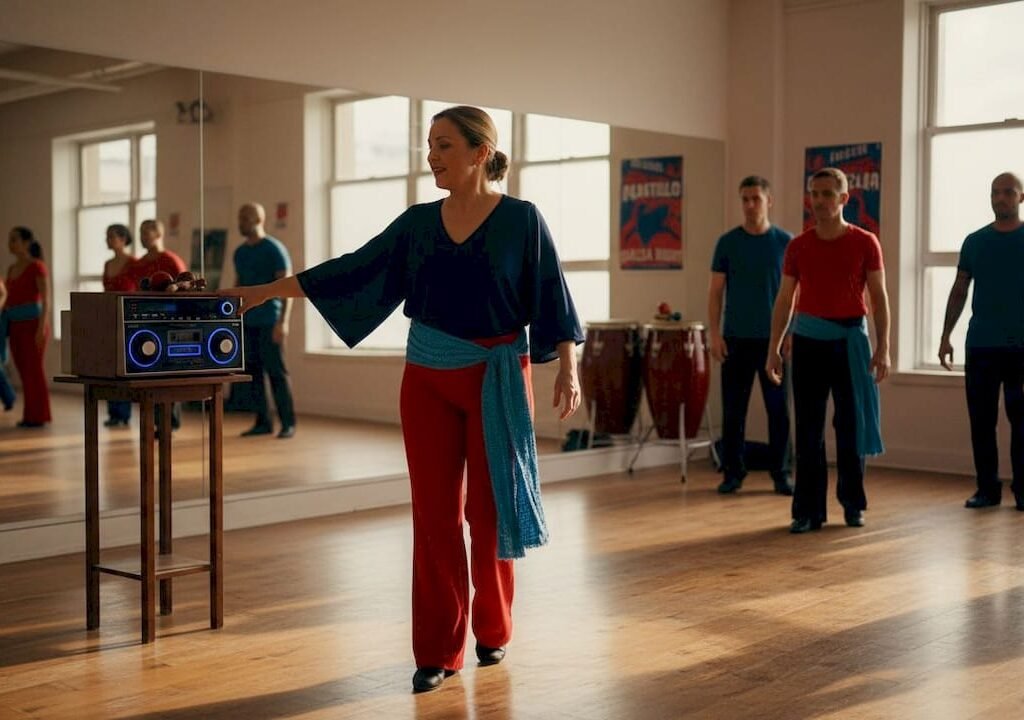
The Kubańskie doświadczenia taneczne we Wrocławiu które oddają tego ducha, przedkładają uczestnictwo nad widowisko, wciągając ludzi na parkiet, zamiast trzymać ich w fotelach i obserwować.
| Element | Autentyczny kubański taniec | Imitacja na poziomie powierzchni |
|---|---|---|
| Związek muzyczny | Aktywny dialog | Ścieżka dźwiękowa w tle |
| Metoda uczenia się | Improwizacja i zabawa | Zapamiętane sekwencje |
| Kontekst społeczny | Interakcja ze społecznością | Występ sceniczny |
| Ton emocjonalny | Spontaniczny, radosny | Kontrolowane, przećwiczone |
Rumba, son, casino i salsa: Etykiety, wyczucie czasu i autentyczność
Po zrozumieniu fundamentów ważne jest, aby zbadać, w jaki sposób nazwy i struktura muzyczna mogą skomplikować to, co jest “autentyczne”. Etykiety same w sobie nieustannie wprawiają ludzi w zakłopotanie, a ich właściwe dobranie to połowa sukcesu.
Rumba jest jednym z najstarszych afrokubańskich wyrażeń na Kubie. Obejmuje trzy główne formy: yambú, guaguancó i columbia. Każda z nich ma odrębne wzorce rytmiczne, dynamikę społeczną i słownictwo ruchowe. Rumba jest głęboko zakorzeniona w społecznościach wywodzących się z Afryki i niesie ze sobą wiele duchowych i historycznych znaczeń.
Syn to oryginalny gatunek, który dał początek temu, co obecnie świat nazywa salsą. Łączy hiszpańskie tradycje gitarowe z afrykańską wrażliwością rytmiczną. Son używa rytmu zwanego “contratiempo”, co oznacza, że tancerze wchodzą w rytmy, które wypadają pomiędzy rytmami podstawowymi. Jest to często mylące dla polskich tancerzy wyszkolonych w europejskich systemach opartych na liczeniu.
Kasyno jest tym, co Kubańczycy nazywają tańcem partnerskim, który reszta świata określa jako “salsę kubańską”. Wyewoluował z son w latach 50. i jest zwykle tańczony w kręgach grupowych zwanych ruedas. Casino jest elastyczne pod względem czasu. Timing w casino różni się w zależności od tradycji, a ramy “on1” lub “on2” znane wielu tancerzom spoza Kuby mogą nie mieć zastosowania w oczekiwany sposób.
Salsa jako wytwórnia została w dużej mierze stworzona przez przemysł muzyczny w Nowym Jorku, aby sprzedawać muzykę latynoską szerszej publiczności. Na Kubie większość ludzi nie nazywa tego, co tańczy “salsą”. Zrozumienie tego rozróżnienia pomaga zadawać lepsze pytania na warsztatach i szukać bardziej uczciwego nauczania.
Oto praktyczna sekwencja, aby się zorientować:
- Dowiedz się, czym jest clave. Clave to pięciobitowy wzór rytmiczny, na którym opiera się większość muzyki kubańskiej. To szkielet, na którym opiera się cała reszta.
- Słuchaj zanim zaczniesz liczyć. Poświęć trochę czasu na słuchanie różnych utworów, zanim spróbujesz zastosować liczbę do każdego taktu.
- Zapytaj swojego instruktora, z której tradycji czerpie. Syn? Kasyno? Styl nowojorski? Odpowiedź wiele ci powie.
- Zbadaj, w jaki sposób taniec łączy się z frazowaniem muzyki, a nie tylko z jej pulsem.
- Ćwicz przełączanie się między odczuwaniem a liczeniem, aż będziesz w stanie całkowicie zrezygnować z liczenia.
Pro Tip: Uczestnicząc w warsztatach poświęconych Kubańska kultura tańca salsy, Zapytaj bezpośrednio instruktora: “Tańczymy styl casino czy son?”. Odpowiedź ujawnia ich dogłębną wiedzę i określa Twoje oczekiwania od samego początku.
| Styl tańca | Pochodzenie | Podejście czasowe | Kluczowa charakterystyka |
|---|---|---|---|
| Rumba | Społeczności afrokubańskie | Oparty na uczuciach, napędzany perkusją | Improwizacja i odpowiedź na wezwanie |
| Syn | Wschodnia Kuba | Contratiempo | Połączenie gitary i perkusji |
| Kasyno | Hawana, lata 50 | Elastyczny, czasowy lub kontraktowy | Społeczne kręgi ruedy |
| Nowojorska salsa | Nowy Jork, lata 70 | Strict on2 | Choreografia do przodu |
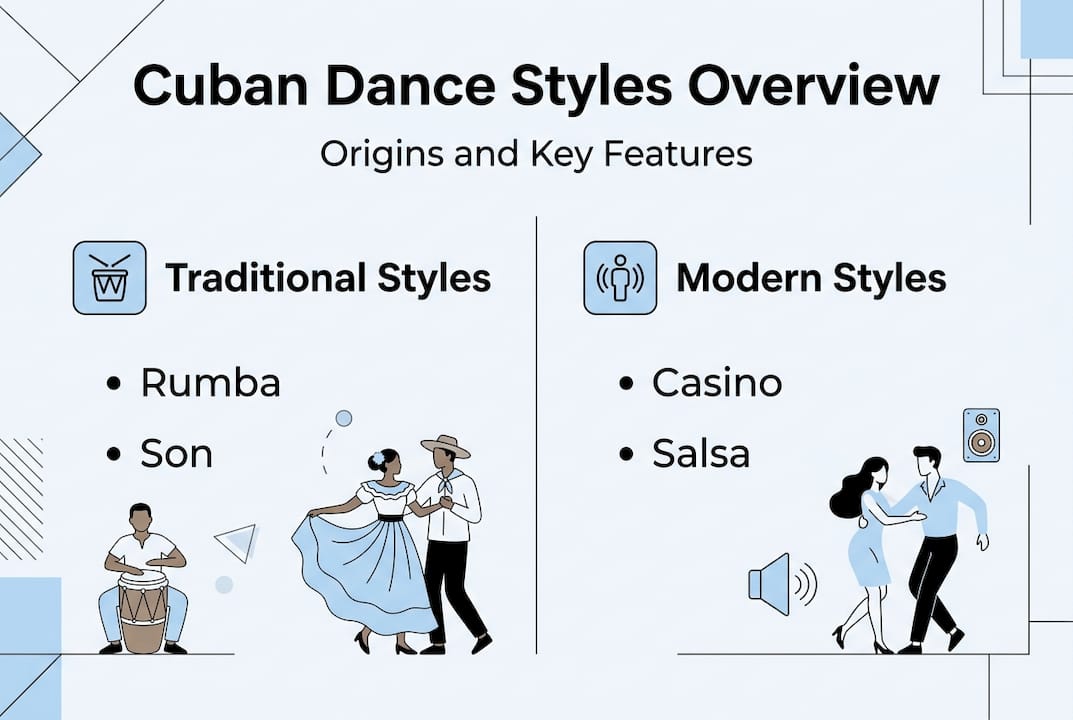
Znajomość tych różnic sprawia, że jesteś mądrzejszym tancerzem i lepszym współpracownikiem w każdej sesji grupowej. A kiedy dołączysz do Strategie zaangażowania w salsę kubańską we Wrocławiu, będziesz dokładnie wiedział, w jakie doświadczenie się pakujesz.
Struktura kontra flow: Jak Kubańczycy uczą się tańczyć w porównaniu z obcokrajowcami
Poza gatunkiem i timingiem, to jak tancerze faktycznie się uczą jest ogromną częścią autentyczności. Jest to miejsce, w którym większość tancerzy spoza Kuby uderza w ścianę, nie dlatego, że brakuje im talentu, ale dlatego, że ich mentalny model uczenia się nie pasuje do kubańskiego podejścia.
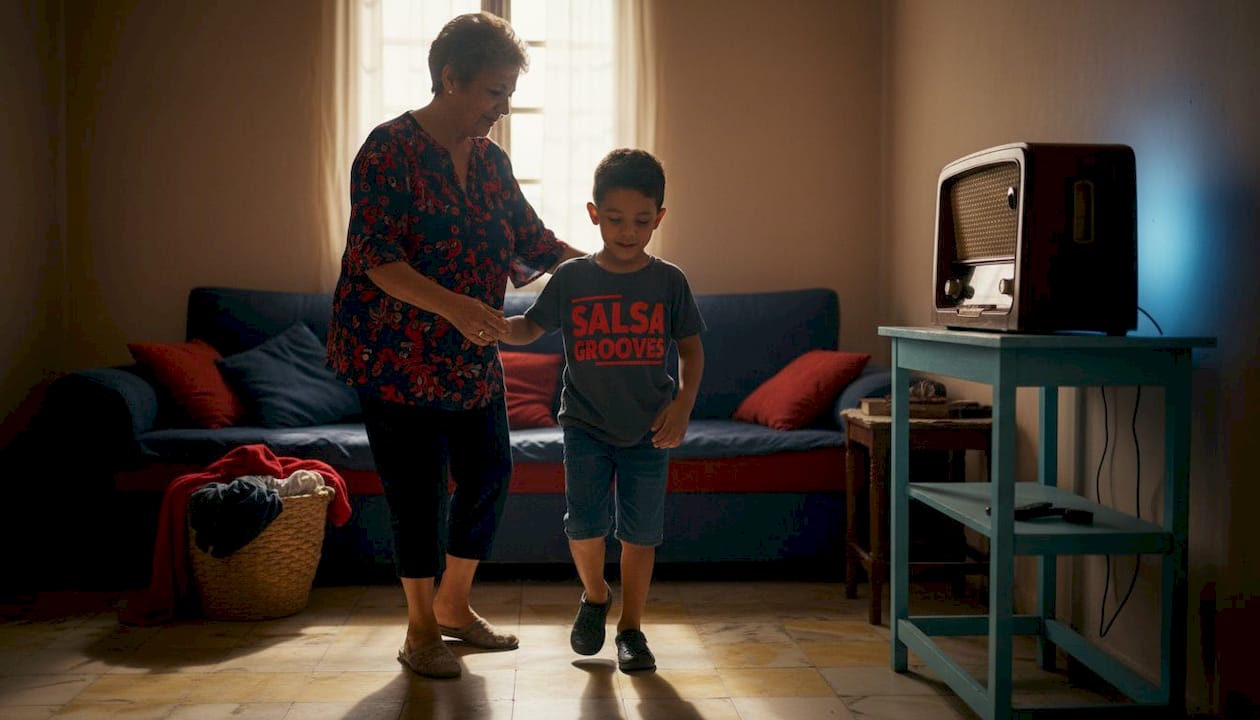
Na Kubie większość ludzi uczy się tańca w ten sam sposób, w jaki uczą się mówić: poprzez zanurzenie się w nim od dzieciństwa. Dziecko obserwuje dorosłych tańczących na rodzinnych spotkaniach. Zaczynają się ruszać, zanim ktokolwiek nauczy je nazw kroków. Wchłaniają rytm poprzez ciągłą ekspozycję. Zanim pojawią się formalne instrukcje, ciało już rozumie muzykę.
Poza Kubą, zwłaszcza w Polsce, edukacja taneczna zazwyczaj przebiega w przeciwnym kierunku. Zaczyna się od struktury: liczenie do ośmiu, krok w lewo na jeden, pauza na dwa, krok do przodu na trzy. Tworzy to logiczne ramy, ale może również budować mur między tancerzem a muzyką. Liczenie staje się głośniejsze niż clave. Mentalna lista kontrolna zagłusza rytm.
Niektórzy nauczyciele kładą nacisk na formalne liczenie rytmiczne, podczas gdy inni stawiają na naukę poprzez odczuwanie i reagowanie na muzykę. Najskuteczniejsza ścieżka do autentyczności wymaga pogodzenia obu. Oto, co oferuje każde z tych podejść:
Mocne strony ustrukturyzowanej nauki:
- Zapewnia siatkę bezpieczeństwa dla początkujących
- Pomaga analizować różnice czasowe między stylami
- Wspiera spójną komunikację między partnerami
Pułapki zbyt ustrukturyzowanej nauki:
- Wytwarza mechaniczny ruch, który nie ma rowków
- Powoduje niepokój, gdy muzyka nie pasuje do oczekiwanej liczby.
- Odłącza tancerza od emocjonalnej zawartości muzyki.
Mocne strony nauki opartej na odczuciach:
- Zapewnia naturalny, muzyczny ruch
- Buduje prawdziwą wrażliwość na rytm i frazowanie
- Tworzy prawdziwą więź między partnerami
Pułapki oparte wyłącznie na odczuciach:
- Może pozostawić luki w zrozumieniu technicznym
- Trudne do rozwiązania bez narzędzi analitycznych
- Może spowalniać postępy dorosłych uczniów, którzy potrzebują kotwic pojęciowych.
Celem jest wykorzystanie struktury jako drabiny, a następnie wyrzucenie jej. Statystyki warte odnotowania: badania nad uczeniem się motorycznym konsekwentnie pokazują, że zmienna praktyka, w której uczniowie są narażeni na zmieniające się rytmy i partnerów, a nie powtarzanie tej samej sekwencji, buduje głębszą retencję umiejętności niż zablokowane powtarzanie. Zastosowanie tego w tańcu kubańskim oznacza regularne mieszanie ustrukturyzowanych ćwiczeń z sesjami swobodnej improwizacji.
Pro Tip: Wypróbuj to podczas następnego wydarzenia z sesją salsy kubańskiej. Zatańcz pierwszą sekcję licząc po cichu. Następnie zatańcz dokładnie tę samą sekcję bez liczenia i po prostu słuchaj. Porównaj reakcje swojego ciała. Druga wersja jest zazwyczaj bliższa autentyczności.
Jeśli chcesz zrozumieć, czym jest dobrze zaprojektowany Proces lekcji salsy kubańskiej Wygląda na to, że kiedy łączy oba światy, szukaj instruktorów, którzy przechodzą od struktury do przepływu w ramach jednej klasy.
Doświadczenie autentycznego kubańskiego tańca: Wskazówki dotyczące warsztatów i wydarzeń we Wrocławiu
Jak więc można wykorzystać te spostrzeżenia i zastosować je w rzeczywistych warunkach we Wrocławiu? Miasto ma rosnącą scenę tańców latynoskich, ale nie każde wydarzenie oznaczone jako “kubańskie” zapewnia prawdziwie kubańskie wrażenia. Wiedząc, czego szukać, oszczędzasz czas i rozczarowanie.
Rumba kubańska jest dialogiem pomiędzy tancerzami i muzykami i jest wysoce improwizowana. Columbia, jeden z podstylów rumby, kładzie nacisk na solową wirtuozerię i improwizację kierowaną wskazówkami bębnów. Wydarzenia, które oddają tę energię, mają specyficzne cechy.
Czego szukać na warsztatach lub wydarzeniu tańca kubańskiego?
- Perkusja na żywo lub przynajmniej autentyczna nagrana muzyka, a nie generyczny latynoski pop
- Instruktorzy, którzy demonstrują improwizację, a nie tylko choreografię.
- Interakcje grupowe, w tym rotacja partnerów i formaty ruedy
- Przestrzeń do swobodnego tańca obok ustrukturyzowanych ćwiczeń
- Kontekst kulturowy wpleciony w wyjaśnienia, a nie tylko instrukcje ruchowe
Czerwone flagi sugerujące nieautentyczne doświadczenie:
- Każdy ruch jest zaprogramowany od początku do końca i nie ma miejsca na odstępstwa.
- Instruktor nie potrafi odpowiedzieć na podstawowe pytania dotyczące rumby lub historii syna
- Muzyka jest wybierana raczej pod kątem zachodniej atrakcyjności niż kulturowej dokładności.
- Oczekuje się, że uczestnicy będą więcej oglądać niż uczestniczyć
- Taktowanie jest zawsze opisywane jako “on1” bez wzmianki o contratiempo lub clave
Jak uczestniczyć, a nie tylko oglądać:
- Pojaw się z ciekawością, a nie lękiem o wyniki.
- Poproś o jak najszybsze umieszczenie w środku koła ruedy.
- Porzuć liczenie, gdy muzyka ciągnie cię w nieoczekiwane miejsce.
- Nawiązywanie kontaktu z bardziej doświadczonymi tancerzami i podążanie za ich energią.
Pro Tip: Na Doświadczenia towarzyskie związane z salsą kubańską, Najlepsi tancerze rzadko wykonują najbardziej skomplikowane ruchy. Są tymi, którzy słuchają najmocniej. Twoim zadaniem jest stać się dobrym słuchaczem całym swoim ciałem.
Jeśli chcesz w pełni poczuć autentyczny kubański taniec towarzyski, poszukaj zorganizowane wydarzenia salsy kubańskiej które równoważą instruktaż z otwartym czasem tańca towarzyskiego. Najlepsze wydarzenia przypominają imprezę z nauczycielem, a nie zajęcia ze ścieżką dźwiękową.
To, co większość ludzi myli na temat autentycznego kubańskiego tańca
Po zapoznaniu się z praktyczną stroną, warto podzielić się głębszą perspektywą autentyczności, którą wielu tancerzy pomija. A jest ona następująca: większość ludzi szuka autentyczności w niewłaściwym miejscu.
Skupiają się na krokach. Spierają się o systemy pomiaru czasu. Debatują nad tym, czy ich instruktor pochodzi z Kuby, czy nie. Są to zrozumiałe obawy, ale umyka im sedno sprawy. Autentyczność w kubańskim tańcu to nie certyfikat. To nie pieczątka w paszporcie. Nie chodzi nawet o to, jak dokładnie dopasowujesz wideo znalezione w Internecie.
Autentyczność polega na obecność. Chodzi o bycie tak zaangażowanym w muzykę i partnera, że następny ruch nie jest czymś, o czym decydujesz, ale czymś, co się dzieje. Kubańczycy tańczący solares nie zastanawiają się nad tym, w której wersji clave się znajdują. Reagują na siebie nawzajem i na rytm w czasie rzeczywistym, ukształtowani przez lata kontaktu z żywą praktyką kulturową.
To właściwie dobra wiadomość dla wrocławskich tancerzy. Oznacza to, że nie trzeba jechać do Hawany, by odnaleźć autentyczność. Trzeba znaleźć odpowiednie środowisko: takie, w którym muzyka jest traktowana jako rozmowa, zachęca się do improwizacji, a społeczność buduje się na parkiecie, a nie tylko opisuje w sylabusie. Zanurzenie w kubańskiej kulturze może się zdarzyć wszędzie tam, gdzie panuje odpowiednia atmosfera.
Niewygodna prawda jest taka, że niektórzy urodzeni na Kubie instruktorzy uczą w sztywny, nieautentyczny sposób, ponieważ dostosowali się do tego, czego oczekują zagraniczni uczniowie: zgrabnych pakietów, policzalnych kroków, przewidywalnych rutyn. A niektórzy instruktorzy spoza Kuby dostarczają prawdziwie autentycznych doświadczeń, ponieważ odrobili kulturową pracę domową i skupiają się na improwizacji i muzycznym dialogu we wszystkim, czego uczą.
Oceniaj doświadczenie, a nie paszport.
Odkryj autentyczny kubański taniec we Wrocławiu z Castillo Salsa
Gotowy, by wcielić w życie swoją nową wiedzę? Oto jak możesz doświadczyć tego na żywo. W Castillo Salsa każde wydarzenie opiera się na zasadach opisanych w tym artykule: muzyka jako dialog, improwizacja jako cel i uczestnictwo jako podstawowa wartość. Niezależnie od tego, czy bierzesz udział w warsztatach, imprezie tematycznej, czy wydarzeniu firmowym, znajdziesz zaangażowanie w strategie salsy kubańskiej zaprojektowane tak, aby szybko przenieść Cię z widza do aktywnego uczestnika. Zapoznaj się z pełną gamą doświadczeń związanych z kubańskim tańcem kulturowym dostępnych we Wrocławiu i znajdź format, który pasuje do Twojej grupy, okazji i poziomu doświadczenia.
Często zadawane pytania
Jaki styl jest uważany za najbardziej autentyczny kubański taniec?
Rumba kubańska jest powszechnie uważana za najbardziej autentyczną formę, kładącą nacisk na improwizację i interakcję społeczną poprzez specyficzną dla stylu grę podstawową, a nie ustaloną choreografię. Łączy się bezpośrednio z afrokubańskim dziedzictwem i praktyką społeczną.
Czym kubańska salsa różni się od innych stylów salsy?
Salsa kubańska lub casino wykorzystuje elastyczny timing oparty na muzyce i tancerzach, często wykorzystując contratiempo zamiast ścisłego liczenia on1 lub on2. Sprawia to, że czuje się luźniej i bardziej spontanicznie niż w stylach nowojorskim czy LA.
Czy można nauczyć się autentycznego kubańskiego tańca bez odwiedzania Kuby?
Tak, jak najbardziej. Nadając priorytet improwizacji, dialogowi muzycznemu i uczestnictwu w grupie, można osiągnąć prawdziwie improwizacyjny poziom podczas dobrze zaprojektowanych warsztatów poza Kubą. Środowisko ma o wiele większe znaczenie niż geografia.
Na co powinienem zwrócić uwagę, aby ocenić, czy kubańskie wydarzenie taneczne jest autentyczne?
Szukaj otwartej improwizacji, prawdziwej muzycznej interakcji i aktywnego tańca towarzyskiego. Wysoce improwizowany format, w którym instruktor reaguje na muzykę, a nie ją ignoruje, jest najsilniejszym sygnałem, że doświadczenie jest autentyczne.
